

For many clients under electronic monitoring supervision, the biggest barrier to compliance is not forgetfulness or lack of willpower—it’s the fear of standing out and being judged. The unspoken and often overlooked barrier of stigma can turn everyday activities into sources of anxiety and shame.
The Quiet Weight of Stigma
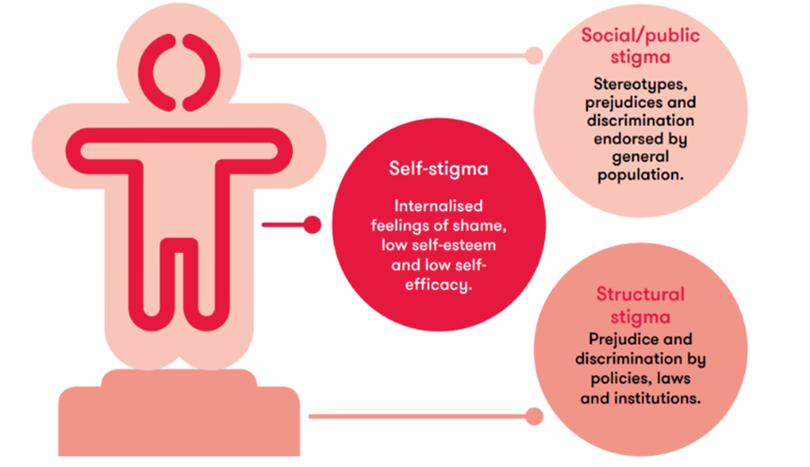
Stigma is the negative label or attitude directed at individuals or groups, often based on stereotypes, fear, or perceived social deviation. But stigma isn’t just about what people think, it’s about what people fear others may think. Stigma can become internalized, resulting in self-stigma, which occurs when individuals start to believe and adopt the negative stereotypes about themselves, resulting in lower self-esteem.
This fear can change behavior. Clients may skip check-ins, avoid public places, or even tamper with their devices, all to protect their privacy or safety. The result? Lower compliance, higher risk of technical violations, and more stress for everyone involved.
Compliance Is More Than Rules
When we talk about compliance in criminal justice, it’s tempting to just list the rules: show up, check in, don’t tamper with your device. But compliance is more than checking boxes. It’s about rebuilding trust, creating stability, and giving people a genuine chance at moving their lives forward.
When we remove barriers such as stigma and focus on rebuilding trust and long-term change, clients can live and work in their communities without worrying how they are perceived. Long-term rehabilitation and public safety are the goal, and discreet wrist-worn electronic monitoring can be the starting point. In clinical trials, researchers found that when individuals are given comfortable and discreet wrist-worn devices, people were more likely to keep wearing them and participation rates went up. It’s not about different rules, but about a better experience. That same logic applies here. When individuals on community supervision wear a monitoring device that doesn’t single them out, it may lower the emotional barriers associated with follow-through.
A New Kind of Discreet Supervision: Introducing BI VeriWatch® 2
BI VeriWatch 2 changes the supervision experience. It’s a secure, wrist-worn electronic monitoring device that looks similar to a consumer health monitor or smartwatch, enabling clients to move through their day without the extra burden of unwanted attention.
Discreet wrist-worn electronic monitoring doesn’t erase the past, but it can make the future feel possible. People can show up as themselves first, not as “the person on probation or parole”. That freedom can give people the breathing room they need to rebuild trust, develop new routines, and invest in change. When the weight of stigma lifts, even just a little, clients begin to believe they deserve a second chance and start putting in the work to prove it. With discreet wrist-worn electronic monitoring technology, clients may be more motivated to keep appointments, check in, and stay connected.
A Practical Tool for Better Outcomes
Reducing stigma isn’t a “soft” approach, it’s a practical one. When people feel safe and respected, compliance may increase and technical violations often go down. Outcomes improve for individuals, families, and communities alike.
BI Incorporated wrist-worn electronic monitoring solutions are designed with discretion in mind. Whether at work, school, or in the community, clients can wear VeriWatch 2 with dignity and remain on track for compliance.
For officers, this means more time focused on supervision and less time on managing technical violations. With VeriWatch 2, officers get all the tools they need for a successful and effective supervision program—a long lasting battery, frequent data collection, and customized communication.
Download the fact sheet to explore full product specifications.
Contact us to schedule a product demo.